



Sodium Channel
Na channels; Na+ channels
Sodium channels are integral membrane proteins that form ion channels, conducting sodium ions (Na+) through a cell's plasma membrane. They are classified according to the trigger that opens the channel for such ions, i.e. either a voltage-change (Voltage-gated, voltage-sensitive, or voltage-dependent sodium channel also called VGSCs or Nav channel) or a binding of a substance (a ligand) to the channel (ligand-gated sodium channels). In excitable cells such as neurons, myocytes, and certain types of glia, sodium channels are responsible for the rising phase of action potentials. Voltage-gated Na+ channels can exist in any of three distinct states: deactivated (closed), activated (open), or inactivated (closed). Ligand-gated sodium channels are activated by binding of a ligand instead of a change in membrane potential.
Sodium Channel Isoform Specific Products
-
Sodium Channel
(627)
View all products
-
Nav1.1
(11)
View all products
-
Nav1.2
(16)
View all products
-
Nav1.3
(14)
View all products
-
Nav1.4
(14)
View all products
-
Nav1.5
(21)
View all products
-
Nav1.6
(12)
View all products
-
Nav1.7
(61)
View all products
-
Nav1.8
(41)
View all products
-
Nav1.9
(2)
View all products
All Product Categories
-
Sodium Channel Inhibitors
(619)
View all products
-
Sodium Channel Agonists
(10)
View all products
-
Sodium Channel Antagonists
(30)
View all products
-
Sodium Channel Activators
(35)
View all products
-
Sodium Channel Modulators
(28)
View all products
-
Sodium Channel Controls
(5)
View all products
-
Sodium Channel Ligands
(3)
View all products
-
Sodium Channel Related Products (800)
Related Products (800)

-
Antibodies (9)
-
Related Compound Screening Libraries (1)
-
Sodium Channel Isoform Comparison
-
GDC-0276
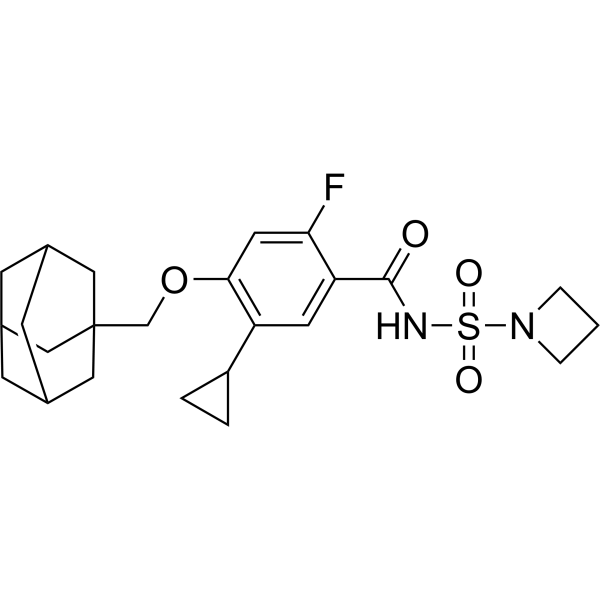 0 ImagesGDC-0276 is a potent, selective, reversible and orally active NaV1.7 inhibitor with an IC50 value of 0.4 nM. GDC-0276 is well tolerated and exhibits a good pharmacokinetic profile. GDC-0276 has the potential for the treatment of pain and to address shortcomings of existing pain medications, such as addiction and off-target side effects.
-
KB130015
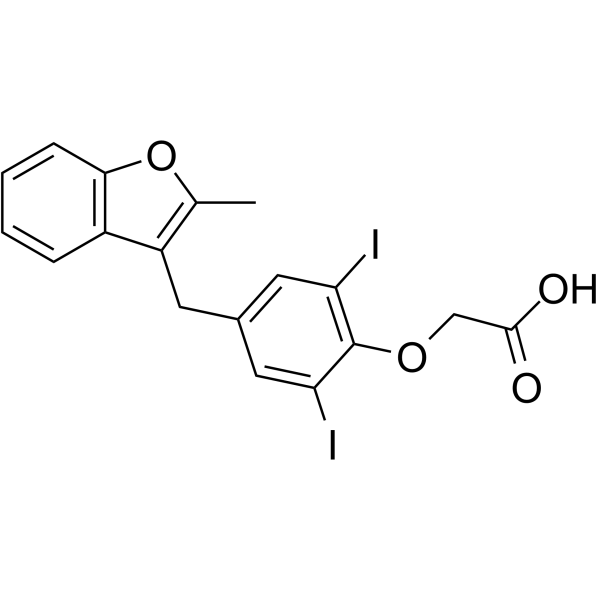 0 ImagesSynonyms: KB015KB130015 (KB015) is an orally active and potent ThRα and ThRβ (thyroid hormone receptor) inhibitor, with IC50 values of 4.5 and 5.1 μM, respectively. KB130015 markedly slows the kinetics of inactivation of Na+ channels. KB130015 activates hERG1 channels (EC50 = 12.2 μM) and large-conductance Ca2+-activated K+ (BKCa) channels formed by hSlo1 (α) subunits in HEK 293 cells. KB130015 has antiarrhythmic properties. KB130015 can be used for the study of cardiovascular disease.
-
PF-06869206
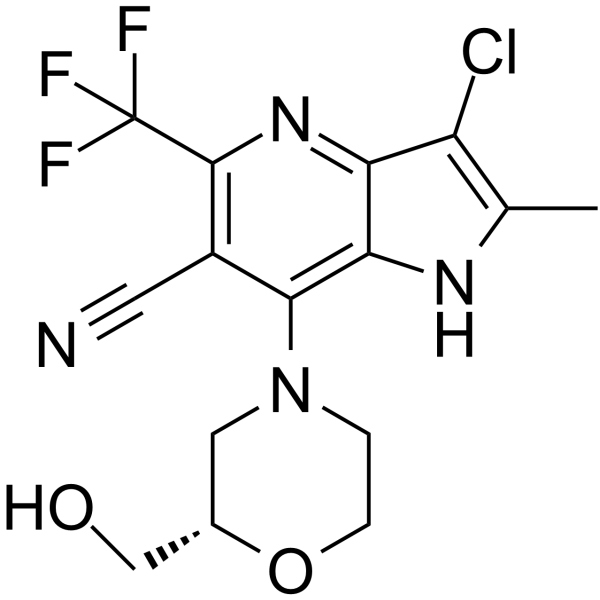 0 ImagesPF-06869206 is an orally bioavailable selective inhibitor of the sodium-phosphate cotransporter NaPi2a (SLC34A1) with an IC50 of 380 nM.
-
Fosphenytoin disodium
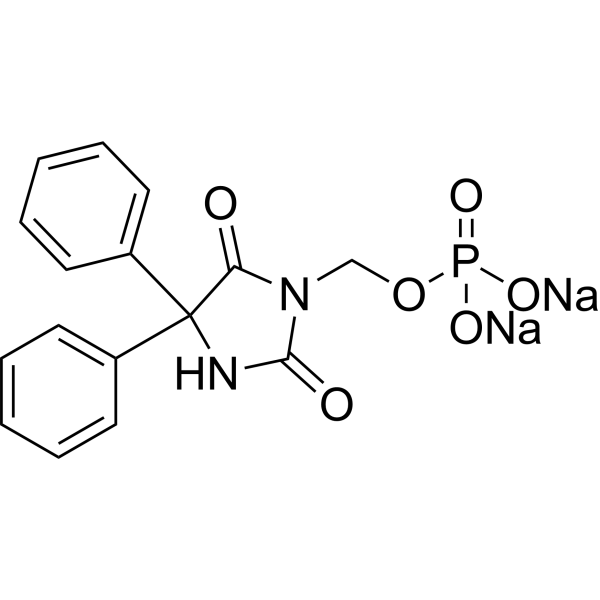 0 ImagesFosphenytoin sodium is a phenytoin proagent with similar anticonvulsant properties. Its main mechanism is to block frequency-dependent, use-dependent and voltage-dependent neuronal sodium channels, and therefore limit repetitive firing of action potentials.
-
Fluphenazine
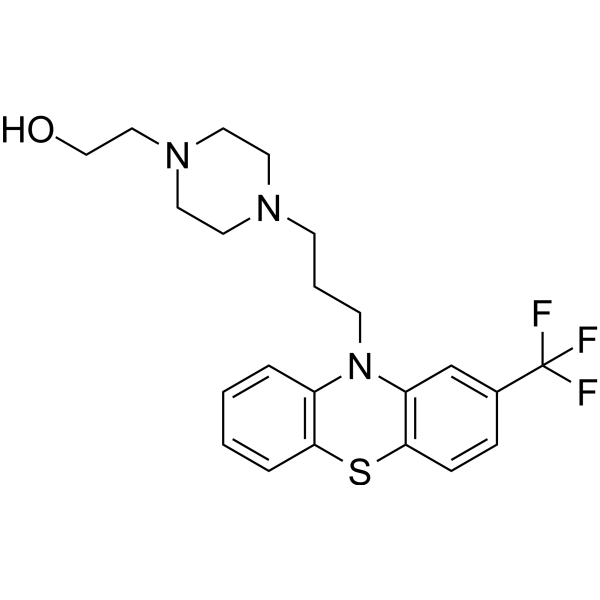 0 ImagesFluphenazine is a potent, orally active phenothiazine-based dopamine receptor antagonist. Fluphenazine blocks neuronal voltage-gated sodium channels. Fluphenazine acts primarily through antagonism of postsynaptic dopamine-2 receptors in mesolimbic, nigrostriatal, and tuberoinfundibular neural pathways. Fluphenazine can antagonize Methylphenidate-induced stereotyped gnawing and inhibit climbing behaviour in mice. Fluphenazine can be used for researching psychosis and painful peripheral neuropathy associated with diabetes and has potential to inhibit SARS-CoV-2.
-
Ropivacaine hydrochloride
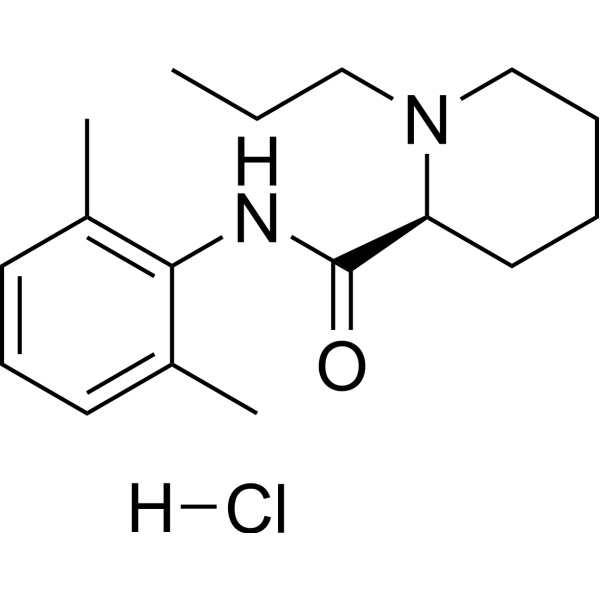 0 ImagesRopivacaine hydrochloride is a potent sodium channel blocker and blocks impulse conduction via reversible inhibition of sodium ion influx in nerve fibrese. Ropivacaine is also an inhibitor of K2P (two-pore domain potassium channel) TREK-1 with an IC50 of 402.7 μM in COS-7 cell's membrane. Ropivacaine is widely used for neuropathic pain management in vivo.
-
Amiloride hydrochloride (Standard)
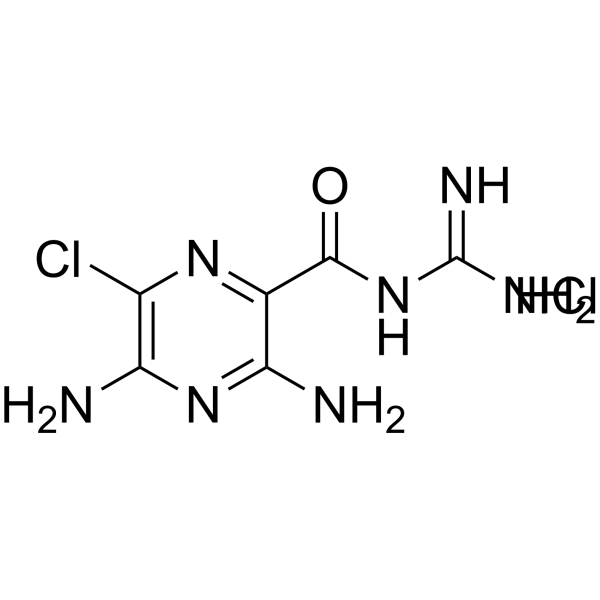 0 ImagesSynonyms: MK-870 hydrochloride (Standard)Amiloride (hydrochloride) (Standard) is the analytical standard of Amiloride (hydrochloride). This product is intended for research and analytical applications. Amiloride hydrochloride (MK-870 hydrochloride) is an inhibitor of both epithelial sodium channel (ENaC) and urokinase-type plasminogen activator receptor (uTPA). Amiloride hydrochloride is a blocker of polycystin-2 (PC2; TRPP2) channel.
-
Amiloride hydrochloride dihydrate
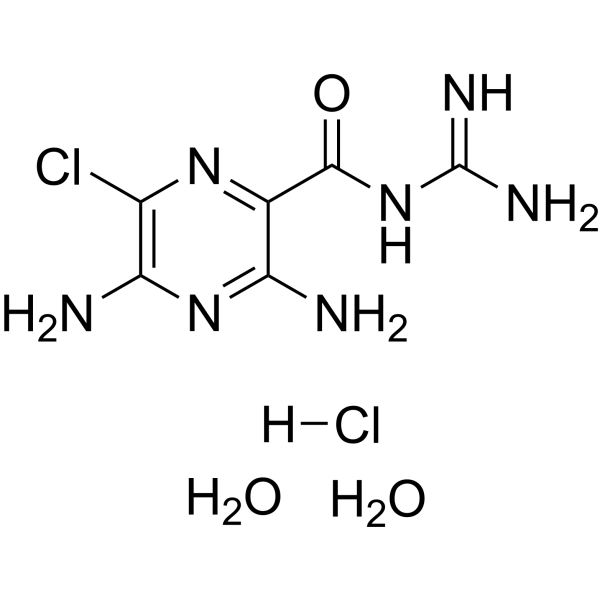 0 ImagesSynonyms: MK-870 hydrochloride dihydrateAmiloride hydrochloride dihydrate (MK-870 hydrochloride dihydrate) is an inhibitor of both epithelial sodium channel (ENaC) and urokinase-type plasminogen activator receptor (uTPA). Amiloride hydrochloride dihydrate is a blocker of polycystin-2 (PC2; TRPP2) channel.
-
Dibucaine
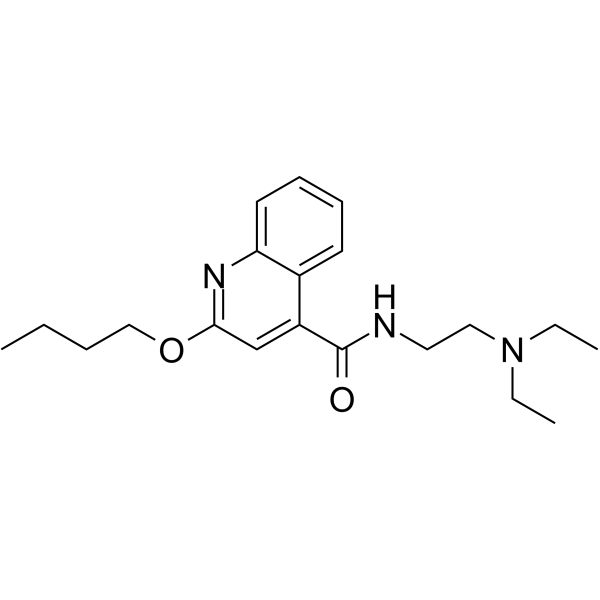 0 ImagesDibucaine (Cinchocaine) is a sodium channel inhibitor. Dibucaine is a potent SChE inhibitor.
-
Raxatrigine hydrochloride
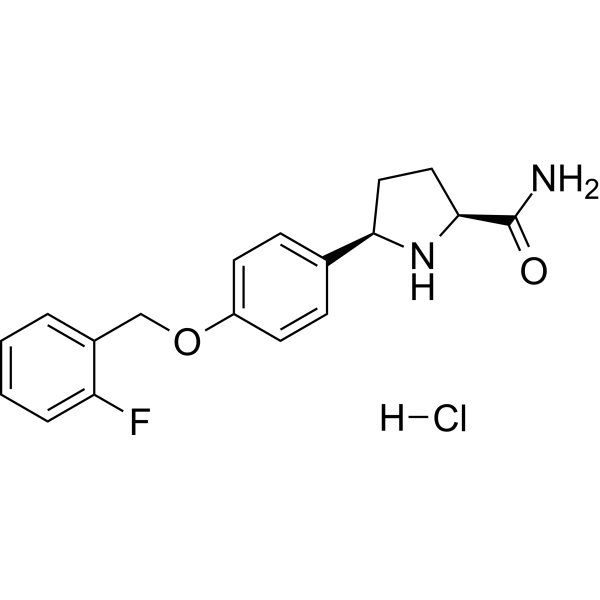 0 ImagesSynonyms: Vixotrigine hydrochloride; GSK-1014802 hydrochloride; CNV1014802 hydrochlorideRaxatrigine hydrochloride (GSK-1014802 hydrochloride) is a novel small molecule state-dependent sodium channel blocker; Nav1.7 sodium channel inhibitor.
-
XPC-5462
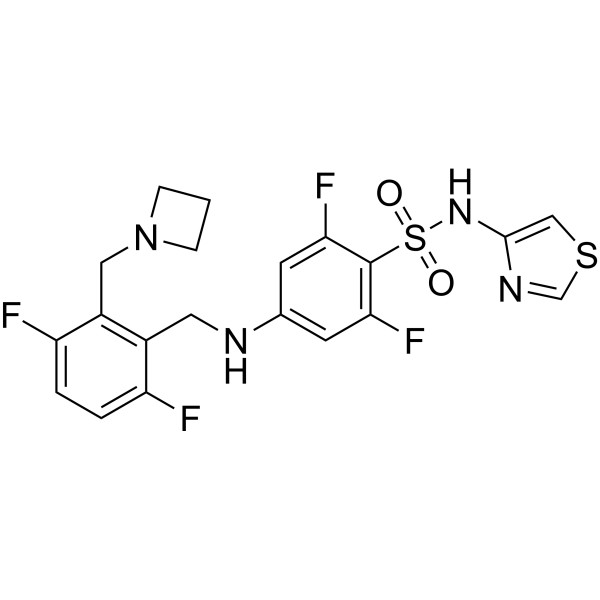 0 ImagesXPC-5462 is a selective NaV1.6/1.2 inhibitor, with an IC50 of 0.0103 μM against hNaV1.6, 0.0137 μM against mNaV1.6, and 0.0109 μM against hNaV1.2. XPC-5462 significantly reduces epileptiform discharges. XPC-5462 is applicable for epilepsy-related research.
-
Carbamazepine (Standard)
 0 ImagesSynonyms: CBZ (Standard); NSC 169864 (Standard)Carbamazepine (Standard) is the analytical standard of Carbamazepine. This product is intended for research and analytical applications. Carbamazepine is an orally active pressure-sensitive sodium ion channel blocker with an IC50 of 131 μM. Carbamazepine blocks voltage gated Na+, Ca2+, and K+ channels, and is also a HDAC inhibitor (IC50: 2 μM). Carbamazepine is an anticonvulsant and can be used for research of epilepsy and neuropathic pain.
-
Lidocaine-d10
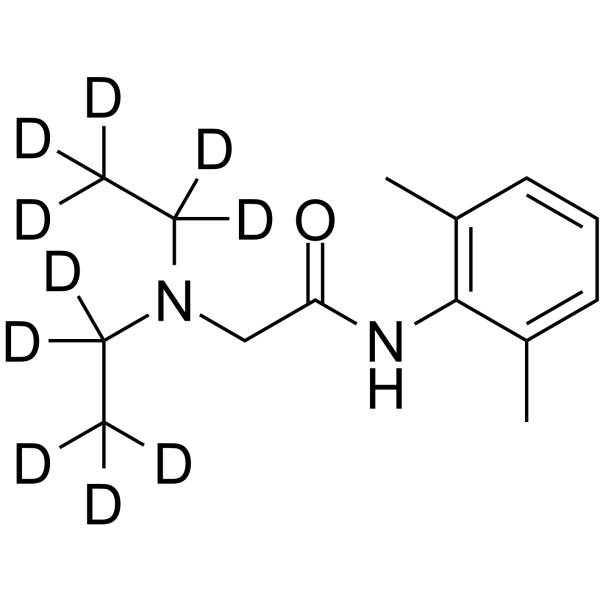 0 ImagesLidocaine-d10 is the deuterium labeled Lidocaine. Lidocaine (Lignocaine) inhibits sodium channels involving complex voltage and using dependence. Lidocaine decreases growth, migration and invasion of gastric carcinoma cells via up-regulating miR-145 expression and further inactivation of MEK/ERK and NF-κB signaling pathways. Lidocaine is an amide derivative and has potential for the research of ventricular arrhythmia.
-
GMQ hydrochloride
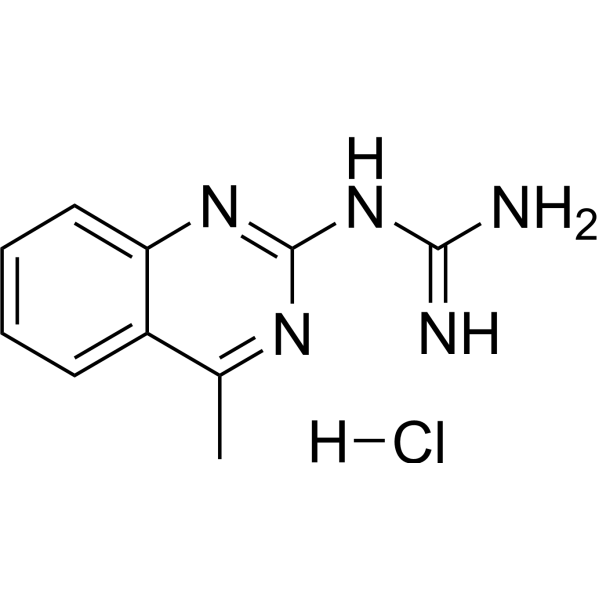 0 ImagesSynonyms: 2-Guanidine-4-methylquinazoline hydrochlorideGMQ (hydrochloride) is a ASIC (acid-sensing ion) channel activator with an EC50 value of 1.83 mM for ASIC3 at pH 7.4. GMQ (hydrochloride) opens only ASIC3 but no other ASICs at pH 7.4. GMQ (hydrochloride) can be used for neurological disease research.
-
RY785
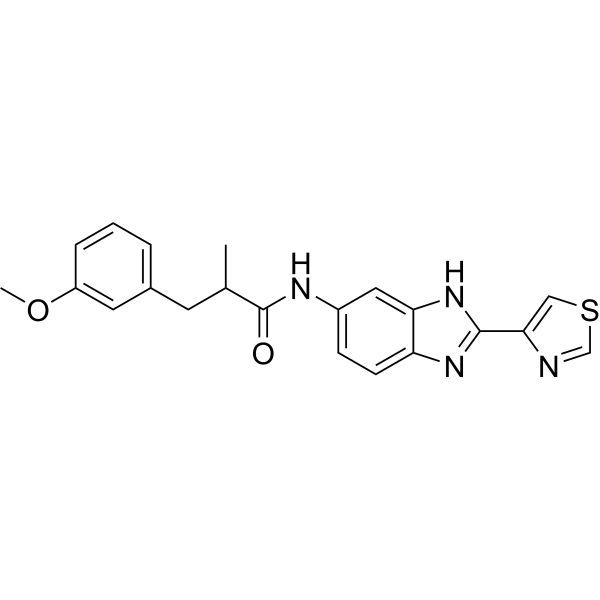 0 ImagesRY785 is a potent and selective voltage-gated potassium (KV2) channel inhibitor with an IC50 of 0.05 μM for KV2.2. RY785 has analgesic activity.
-
Sodium ionophore III
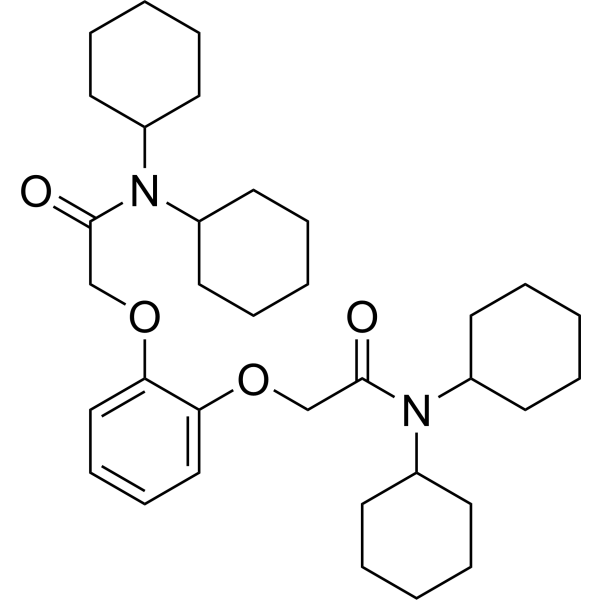 0 ImagesSynonyms: ETH2120Sodium ionophore III (ETH2120) is a Na+ ionophore suitable for the assay of sodium activity in blood, plasma, serum. etc.
-
Hydroflumethiazide
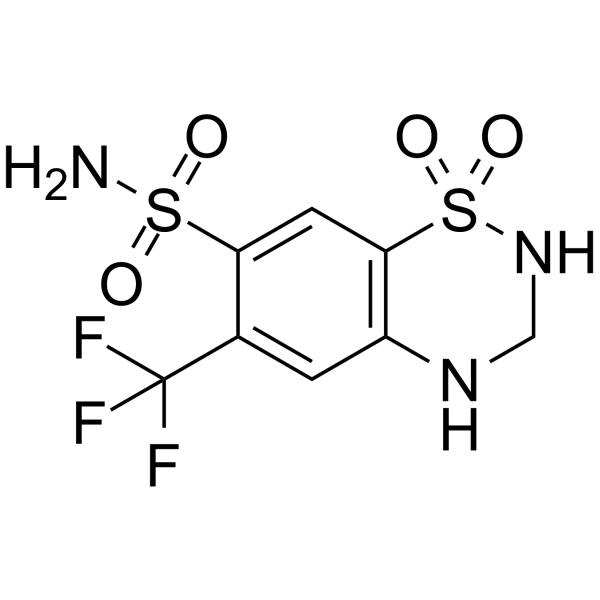 0 ImagesSynonyms: Methforylthiazidine; RontylHydroflumethiazide (Methforylthiazidine) is an orally active and potent thiazide diuretic. Hydroflumethiazide possesses the ability to directly stimulate A cell secretion in the normal and alloxan diabetic pancreas.
-
Butacaine
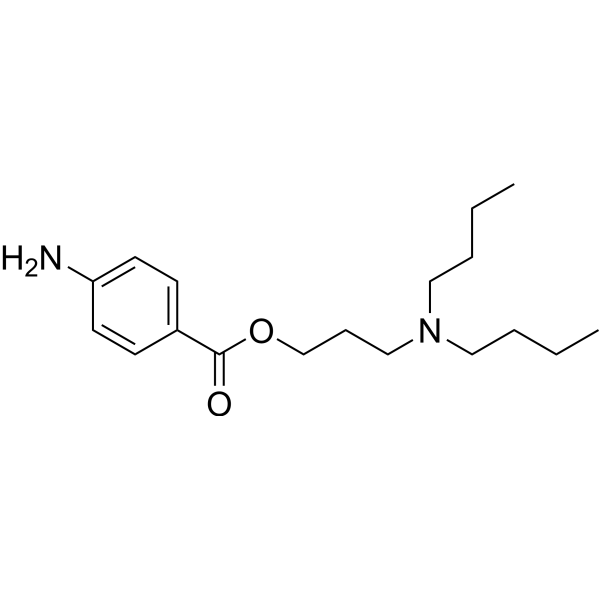 0 ImagesButacaine is a reversible nerve conduction blocker. Butacaine acts on the nervous system and nerve fibers, can cause both sensory and motor paralysis. Butacaine inhibits the NavBh currents. Butacaine can form inclusion complexes with α-cyclodextrin (α-CD) and β-cyclodextrin (β-CD). Butacaine is commonly used as a negative control for other local anesthetics.
-
Annonacin
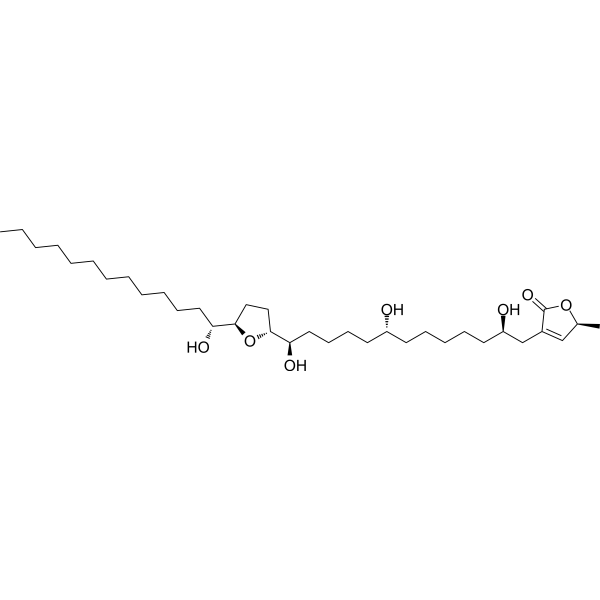 0 ImagesAnnonacin is an acetylgenin that is toxic by inhibiting the pathway of the mitochondrial complex. Annonacin increases tau phosphorylation in R406W+/+ mice. Annonacin acts as an inhibitor of the sodium/potassium and sarcoplasmic reticulum (SERCA) ATPase pumps. Annonacin has significant killing effect on ovarian cancer cell, cervical cancer cell, breast cancer cell, bladder cancer cell and skin cancer cell. Annonacin induces apoptosis through Bax and Caspase-3-related pathways.




